

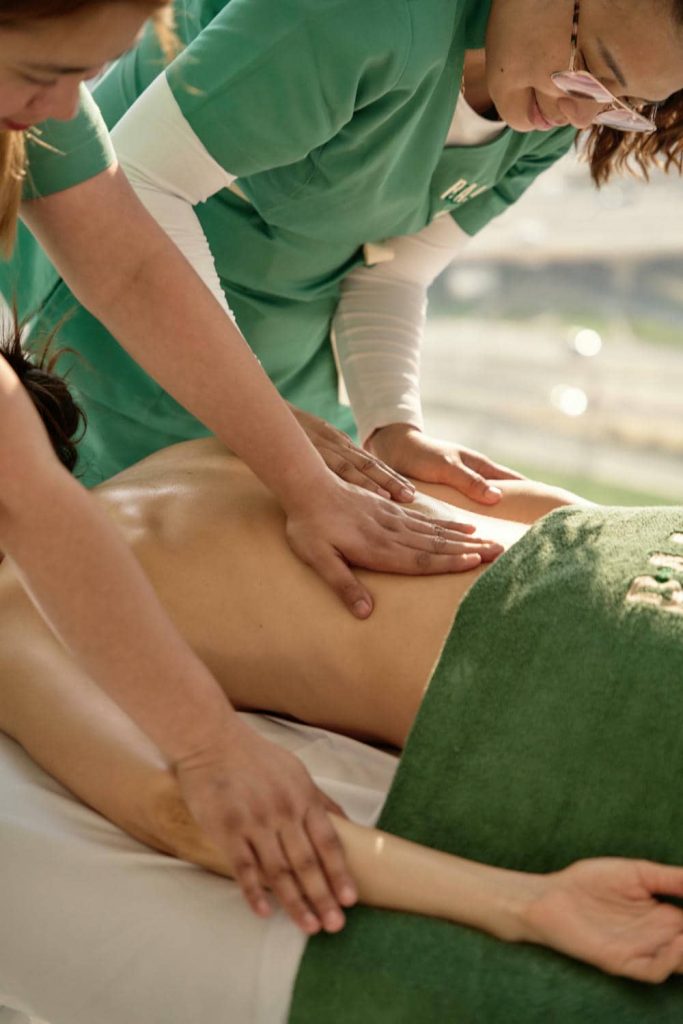
Welcome to Raaha Wellness! If you are searching for the absolute best thai massage at home dubai, you have arrived at the perfect place. Our expert therapists are dedicated to providing an unparalleled thai massage at home dubai experience tailored to your exact needs.
A Comprehensive Comparison: Swedish vs Eastern Therapies and thai massage at home dubai
Welcome to our comprehensive guide on wellness therapies. In today’s fast-paced world, finding effective methods for relaxation and pain relief is more important than ever before. Two of the most popular approaches to bodywork and healing are Swedish therapies and Eastern modalities. While both aim to improve overall health, they utilize vastly different techniques, philosophies, and histories. Many individuals struggle to choose the right style of bodywork for their specific needs. If you are looking for relaxation, you might eventually explore a thai massage at home dubai to experience the profound benefits of Eastern healing in the comfort of your own living space. This detailed article will explore the rich history, core principles, physical benefits, and practical applications of both Swedish and Eastern therapies. By the end of this comprehensive comparison, you will have a deep understanding of which modality aligns best with your personal wellness goals.
Introduction to Wellness Therapies
Wellness therapies have been utilized for thousands of years to treat physical ailments, reduce psychological stress, and promote a balanced lifestyle. Bodywork is not merely a luxury; it is an essential component of a proactive healthcare routine. Across the globe, different cultures have developed unique approaches to healing the human body. Western modalities, particularly Swedish therapy, focus heavily on the physical anatomy, manipulating muscles and soft tissues to increase circulation and relieve tension. On the other hand, Eastern modalities emphasize the flow of vital energy throughout the body, utilizing acupressure and assisted stretching to restore harmony. By integrating these therapies into your regular routine, you can significantly improve your quality of life. Understanding the foundational differences between these two broad categories is the first step in creating a customized wellness plan.
The Origins of Swedish Therapies
The history of Swedish bodywork dates back to the early 19th century. A Swedish physiologist and fencing master named Per Henrik Ling is commonly credited with developing the “Swedish Movement System.” Ling’s system was based on a combination of medical gymnastics and physical therapy, designed to improve blood circulation, relieve muscle tension, and enhance overall flexibility. Later, a Dutch physician named Johan Georg Mezger categorized the specific hand strokes that define modern Swedish therapy. He assigned French names to these techniques, such as effleurage, petrissage, friction, tapotement, and vibration. These foundational strokes are still taught in massage schools worldwide today. Swedish therapy quickly gained popularity across Europe and the United States, becoming the standard for Western bodywork. Its evidence-based approach makes it highly respected within the medical community.
The Roots of Eastern Healing Practices
Eastern healing practices boast a history that spans several millennia, originating primarily in India, China, and Thailand. These modalities are deeply intertwined with traditional medicine systems, such as Ayurveda and Traditional Chinese Medicine (TCM). Unlike Western therapies that focus solely on the physical body, Eastern practices view the body as an interconnected system of physical, mental, and spiritual energies. The concept of “Qi” or “Prana” (life force energy) is central to these philosophies. Practitioners believe that illness and physical pain arise when this vital energy is blocked or stagnant. Through techniques like acupressure, reflexology, and mindful stretching, Eastern therapies aim to clear these blockages and restore the natural flow of energy. This holistic approach treats the root cause of discomfort rather than merely addressing the symptoms, providing long-lasting relief and profound mental clarity.
Understanding thai massage at home dubai: A Core Eastern Practice
One of the most widely recognized and highly effective Eastern modalities is traditional Thai bodywork. Originating in India over 2,500 years ago, this practice was brought to Thailand by Ayurvedic doctors and Buddhist monks. It is a unique blend of assisted yoga postures, acupressure, and Ayurvedic principles. For those who schedule a thai massage at home dubai, the benefits are immediately apparent. Unlike Western styles where the client lies passively on a table, this practice is performed on a padded floor mat. The recipient wears loose, comfortable clothing, and no oils or lotions are typically used. The practitioner uses their hands, thumbs, elbows, knees, and even feet to guide the recipient through a series of dynamic stretches and rhythmic compressions. This active form of bodywork is often described as “lazy man’s yoga” because the therapist does all the physical work while the client reaps the rewards.
What Makes This Eastern Practice Unique?
The uniqueness of this Eastern practice lies in its dynamic and interactive nature. While traditional Western massage focuses on kneading muscles to release tension, this method focuses on lengthening the muscles and decompressing the joints. The practitioner continuously moves the client’s body, opening up the hips, elongating the spine, and stretching the shoulders. This continuous motion not only improves physical flexibility but also induces a deep state of mental relaxation. Furthermore, the practice relies heavily on rhythmic rocking and deep, mindful breathing, which helps to calm the nervous system and lower cortisol levels. By addressing both muscular tightness and energy blockages simultaneously, it provides a comprehensive healing experience that leaves the recipient feeling revitalized, balanced, and remarkably light. To learn more about our specialized practitioners, learn more about our team and their extensive training in these unique modalities.
The Core Principles of Eastern Modalities
To fully appreciate Eastern therapies, one must understand their core principles. The foundation of these modalities rests on the belief that invisible energy pathways run throughout the human body. In traditional Thai philosophy, these pathways are known as “Sen” lines. There are said to be 72,000 Sen lines, but practitioners typically focus on the ten major lines. When these lines are clear, energy flows freely, resulting in optimal health and vitality. However, physical trauma, emotional stress, and poor posture can cause blockages along these lines, leading to pain, stiffness, and disease. Eastern practitioners use precise acupressure along the Sen lines to release these blockages. By applying targeted pressure and guiding the body into deep stretches, they stimulate the flow of energy, encouraging the body’s natural self-healing mechanisms to activate.
A Deep Dive into Swedish Therapy Techniques
Shifting our focus back to Western modalities, Swedish therapy remains the most common and easily accessible form of bodywork globally. It is the foundation upon which many other Western styles, such as deep tissue and sports massage, are built. Swedish therapy is characterized by its smooth, gliding strokes and gentle kneading of the soft tissues. The primary goal is to relax the entire body by increasing circulation and promoting the release of metabolic waste products, such as lactic acid, from the muscles. The client typically lies on a specialized massage table, draped with sheets or towels to ensure privacy and warmth. The therapist applies high-quality oils or lotions to reduce friction and allow for seamless, continuous movements. The calming environment, often accompanied by soft music and dim lighting, further enhances the deeply relaxing experience.
Five Essential Strokes of Swedish Therapy
The efficacy of Swedish therapy relies on five essential strokes, each serving a specific therapeutic purpose. These strokes are seamlessly integrated to provide a comprehensive treatment. They include:
- Effleurage: This involves long, sweeping, gliding strokes using the palms of the hands. It is typically used at the beginning and end of the session to warm up the muscles, distribute the oil, and soothe the nervous system.
- Petrissage: This consists of kneading, rolling, and lifting the muscles. Petrissage is excellent for breaking down muscle knots, increasing deep tissue circulation, and releasing trapped toxins.
- Friction: This involves deep, circular movements applied with the thumbs or fingertips. Friction targets specific areas of dense tissue and helps to break down scar tissue and adhesions.
- Tapotement: This is a rhythmic tapping or percussive striking motion using the edges of the hands or cupped palms. It invigorates the muscles and stimulates the nervous system.
- Vibration: This involves rapid shaking or trembling movements applied to specific muscle groups to loosen deep-seated tension and soothe irritated nerves.
Physical and Mental Benefits of Swedish Modalities
The benefits of Swedish modalities extend far beyond simple relaxation. Physically, the increase in blood circulation delivers more oxygen and vital nutrients to the muscle tissues, accelerating recovery from minor injuries and reducing muscle soreness. The manipulation of the lymphatic system helps to flush out toxins and boost immune function. Mentally, Swedish therapy is a powerful tool for stress management. The soothing strokes lower the heart rate, reduce blood pressure, and decrease the production of stress hormones like cortisol. Simultaneously, the treatment stimulates the release of endorphins, serotonin, and dopamine—the body’s natural “feel-good” chemicals. This chemical shift in the brain can significantly alleviate symptoms of anxiety and depression, promoting a profound sense of mental clarity and emotional well-being. Regular sessions can lead to sustained improvements in sleep quality and overall mood.
Why You Should Consider thai massage at home dubai
As our lives become increasingly busy and demanding, finding the time to visit a spa or wellness clinic can be a significant challenge. This is where the beauty of mobile wellness services shines. Scheduling an Eastern modality session in your own living space offers unparalleled comfort and convenience. You bypass the stress of navigating traffic, finding parking, and rushing to an appointment. Instead, the therapeutic experience is brought directly to your doorstep. The familiar environment of your own home allows your nervous system to relax more quickly, enhancing the overall efficacy of the treatment. Furthermore, after the session concludes, you can immediately transition into a state of rest, whether that means taking a warm bath, sipping herbal tea, or simply going to sleep, without the jarring interruption of a commute.
Flexibility and Energy Flow Explained
One of the most remarkable benefits of Eastern modalities is the profound impact on physical flexibility and joint mobility. Getting a thai massage at home dubai provides a deep stretch that targets muscle groups you may not even realize are tight. The practitioner carefully maneuvers your body into various yoga-like positions, extending the hamstrings, opening the chest, and rotating the spine. Over time, these dynamic stretches significantly improve your range of motion, reduce muscle stiffness, and prevent future injuries. In addition to physical flexibility, the practice focuses intensely on energy flow. By applying rhythmic pressure along the body’s energy lines, the therapist clears blockages and restores vitality. This combination of deep stretching and energetic clearing leaves you feeling remarkably light, agile, and energized, making it an ideal therapy for athletes, office workers, and anyone experiencing physical stagnation.
Setting Up Your Space for thai massage at home dubai
Creating the right environment is crucial for a successful mobile therapy session. Preparing for your thai massage at home dubai is quite simple, as the practitioner typically brings all the necessary equipment, including a specialized floor mat and clean linens. However, you can enhance the experience by preparing your living area. Choose a quiet, spacious room with minimal clutter where the mat can be comfortably laid out. Ensure the room temperature is comfortably warm, as your body temperature may drop slightly as you relax. You might want to dim the overhead lights, draw the curtains, and perhaps light a mildly scented candle or diffuse some essential oils, such as lavender or sandalwood. Playing soft, ambient music can also help drown out background noise and create a serene, spa-like atmosphere right in your own home.
Key Differences Between Swedish and Eastern Therapies
While both Swedish and Eastern therapies promote relaxation and well-being, their underlying philosophies and physical applications are distinctly different. Understanding these differences can help you make an informed decision about which modality is best suited to your needs. The most obvious difference lies in the setting and attire. Swedish therapy requires the client to undress to their comfort level, lie on a specialized table, and use massage oils. In contrast, Eastern modalities, particularly traditional Thai bodywork, require the client to remain fully clothed in loose apparel and are performed on a floor mat without the use of oils. Another major distinction is the level of client participation. Swedish therapy is a passive experience where the client remains still, whereas Eastern modalities are highly interactive, with the therapist actively moving the client’s body through various stretches and postures.
Passive Stretching vs Active Muscle Kneading
The techniques used in these two modalities offer contrasting physical experiences. Swedish therapy relies heavily on active muscle kneading, gliding strokes, and circular friction to release tension. The therapist uses their hands and forearms to manipulate the soft tissues directly, working out knots and improving localized blood flow. This direct manipulation is incredibly effective for soothing sore muscles and promoting physical relaxation. Conversely, Eastern therapies focus on passive stretching and joint mobilization. The therapist uses their entire body weight to apply deep compression and leverage the client into deep stretches. This approach decompresses the joints, lengthens the muscle fibers, and increases overall flexibility. While Swedish therapy feels like a direct physical manipulation of the muscles, Eastern therapies often feel more like an assisted, deeply relaxing yoga session that opens up the entire body.
Energy Lines vs Anatomy and Physiology
The theoretical foundations of these therapies also diverge significantly. Swedish therapy is rooted firmly in Western anatomy and physiology. Therapists are trained to understand the musculoskeletal system, the circulatory system, and the lymphatic system. They apply specific strokes to target specific anatomical structures, aiming to physically alter the tissue state. The approach is clinical, scientific, and evidence-based. Eastern therapies, however, are based on ancient holistic philosophies that view the body as a network of energy channels. While practitioners possess a deep understanding of physical anatomy, their primary focus is on the flow of vital energy. They target acupressure points and Sen lines to release energetic blockages and restore balance to the entire system. This holistic perspective addresses not only physical ailments but also emotional and spiritual imbalances, offering a comprehensive approach to healing.
The Convenience Factor: Experiencing thai massage at home dubai
In our modern era, time is one of our most valuable commodities. The convenience of mobile wellness services cannot be overstated. Booking a thai massage at home dubai allows you to stay in your comfort zone while receiving top-tier therapeutic care. For individuals with demanding work schedules, young children at home, or mobility issues, traveling to a traditional spa is often impractical or stressful. Mobile therapists bring the entire spa experience to your living room, bedroom, or home office. They accommodate your schedule, offering early morning, late evening, or weekend appointments to suit your lifestyle. This level of personalized service ensures that you can maintain a consistent wellness routine without disrupting your daily responsibilities. Furthermore, receiving therapy in a familiar environment can help you achieve a deeper state of relaxation more quickly.
How to Book Your Session Safely
When booking any in-home wellness service, safety and professionalism should be your top priorities. It is essential to choose a reputable company that employs certified, experienced, and background-checked therapists. Look for services that have positive customer reviews, clear pricing structures, and transparent policies. Keep these crucial points in mind:
- Communicate any specific physical conditions, injuries, or preferences to the booking agent.
- Ensure the treatment can be customized to meet your unique health needs safely.
- Always verify the credentials of your practitioner and ensure they are appropriately trained.
By taking these simple precautions, you can enjoy a safe, professional, and deeply rewarding therapeutic experience in the comfort of your own home without any unnecessary anxiety.
Comparing the Health Benefits: Swedish vs Eastern Therapies
Both Swedish and Eastern therapies offer a multitude of health benefits, but they excel in slightly different areas. Swedish therapy is particularly renowned for its ability to lower cortisol levels rapidly, making it an excellent choice for individuals dealing with acute stress, anxiety, or sleep disorders. The gentle, continuous strokes soothe the nervous system, encouraging a state of profound relaxation. Additionally, it is highly effective at improving blood circulation and stimulating the lymphatic system, which aids in detoxification and immune support. Eastern therapies, on the other hand, are exceptional for improving physical flexibility, joint mobility, and postural alignment. The dynamic stretching and deep compression techniques relieve chronic muscle tension and increase the range of motion. Eastern modalities are also highly effective at boosting energy levels and clearing mental fog, leaving the recipient feeling invigorated rather than sedated.
Stress Relief and Mental Clarity from thai massage at home dubai
Stress is a ubiquitous problem in modern society, contributing to a wide range of physical and mental health issues. Both modalities offer significant stress relief, but the pathways they take differ. Swedish therapy achieves stress relief by quieting the mind and relaxing the body through soothing, repetitive touch. It encourages the brain to enter an alpha wave state, associated with deep relaxation and meditation. Eastern therapies relieve stress by releasing trapped physical tension and restoring the flow of energy. The rhythmic rocking, deep breathing, and mindful stretching help to ground the recipient, bringing their focus back to the present moment. This mind-body connection clears mental chatter and promotes profound mental clarity. Many clients report feeling a sense of emotional release and renewed focus after an Eastern therapy session.
Postural Alignment and Pain Relief with thai massage at home dubai
Poor posture is a common ailment resulting from prolonged sitting, desk work, and the frequent use of mobile devices. Over time, poor posture can lead to chronic back, neck, and shoulder pain. Eastern modalities are exceptionally effective at addressing these issues. One main reason people book a thai massage at home dubai is to address chronic back pain and correct postural imbalances. The deep, assisted stretches target the hip flexors, chest muscles, and hamstrings—areas that typically become shortened and tight due to sedentary lifestyles. By lengthening these muscles and opening up the joints, the therapy helps to restore the body’s natural alignment. This structural correction not only provides immediate pain relief but also helps to prevent future discomfort. Swedish therapy can also aid in pain relief by reducing localized muscle tension, but it does not offer the same level of structural realignment.
Which Therapy is Right for You?
Choosing between Swedish and Eastern therapies ultimately depends on your personal preferences, physical needs, and wellness goals. There is no right or wrong choice, as both offer profound health benefits. If your primary goal is to simply relax, de-stress, and soothe tired muscles, Swedish therapy is an excellent starting point. It is gentle, predictable, and highly effective for inducing a state of deep rest. However, if you are looking for a more dynamic, interactive experience that improves flexibility, boosts energy, and addresses deep-seated postural issues, an Eastern modality may be more suitable. It is also important to consider your comfort level with physical touch. If you prefer to remain fully clothed and avoid the use of oils, Eastern therapies are the obvious choice. For comprehensive wellness, you can explore our massage therapy services to find the perfect match.
Choosing Swedish Therapy
You should opt for Swedish therapy if you are new to professional bodywork and want a gentle, non-intimidating introduction. It is highly recommended for individuals experiencing high levels of acute stress, anxiety, or insomnia. The soothing strokes are ideal for calming a hyperactive nervous system. Swedish therapy is also beneficial for individuals with minor muscle soreness or tension resulting from everyday activities. Furthermore, if you enjoy the sensory experience of warm oils, soothing scents, and skin-to-skin contact, Swedish therapy provides a deeply comforting and nurturing environment. The National Center for Complementary and Integrative Health provides extensive resources on the clinical benefits of traditional Swedish techniques for stress management and pain relief.
Choosing Eastern Therapies like thai massage at home dubai
Conversely, you should choose an Eastern modality if you are seeking a more active and invigorating experience. If you suffer from stiffness, poor flexibility, or chronic postural pain, the deep stretching and joint mobilization will provide significant relief. Eastern therapies are highly favored by athletes, yogis, and fitness enthusiasts for their ability to enhance physical performance and speed up recovery. Additionally, if you feel energetically drained, sluggish, or emotionally blocked, the acupressure and energy clearing techniques can help restore your vitality. If you simply prefer the comfort of remaining fully clothed during a session, this modality respects that boundary while still delivering profound therapeutic results.
Whichever path you choose, regular bodywork is an investment in your long-term health. The Harvard Medical School outlines the significant physiological benefits of incorporating holistic bodywork into your routine safely and effectively.
The Science Behind the Therapies
The scientific community has increasingly recognized the valid physiological benefits of therapeutic touch. Numerous clinical trials demonstrate that bodywork is not merely a placebo but a medically significant intervention. Whether focusing on Western anatomical models or Eastern energetic pathways, the measurable outcomes are undeniable. By actively reducing cortisol and increasing parasympathetic nervous system activity, these therapies mitigate the systemic damage caused by chronic stress. Furthermore, they play a crucial role in preventative healthcare by improving immune response and cardiovascular health. Modern medicine is now embracing these ancient and traditional practices, often integrating them into holistic treatment plans for pain management and psychiatric care.
Research on Swedish Therapy Effectiveness
Studies indicate that Swedish modalities significantly lower cortisol levels while increasing dopamine and serotonin production. Blood tests conducted before and after sessions frequently show an increase in lymphocytes, the white blood cells responsible for defending the body against disease. This physiological shift confirms that Swedish therapy directly bolsters the immune system. Additionally, research highlights its effectiveness in managing chronic conditions such as osteoarthritis and fibromyalgia by reducing localized inflammation and promoting deep, restorative sleep. The evidence firmly positions Swedish bodywork as a critical tool for maintaining robust physical and mental health.
Clinical Studies Supporting thai massage at home dubai
Research focusing on Eastern practices reveals substantial improvements in heart rate variability and chronic pain management. Engaging in this specific home-based therapy not only reduces musculoskeletal pain but also significantly enhances psychological well-being. Clinical trials have demonstrated that the assisted stretching techniques safely increase the range of motion in the elderly and improve athletic performance in younger populations. By mechanically decompressing the joints and stimulating proprioceptors, Eastern modalities effectively reset the nervous system’s pain threshold. These scientific findings validate the ancient wisdom underlying these dynamic, energy-focused therapies.
Frequently Asked Questions About Swedish vs Eastern Therapies
As holistic wellness continues to gain popularity, many people have questions about the nuances of different therapeutic modalities. We have compiled a list of the most frequently asked questions to help you navigate your wellness journey. Understanding the distinctions between these practices ensures that you select the therapy that best aligns with your current physical and mental state. Whether you are dealing with chronic pain, acute stress, or simply seeking a restorative escape from daily life, having the right information empowers you to make educated decisions about your health. Below, we address common inquiries regarding the combination of therapies, the recommended frequency of sessions, and the safety protocols for beginners exploring Eastern modalities for the very first time.
Can I Combine Swedish Therapy with thai massage at home dubai?
Yes, absolutely. Many wellness enthusiasts find that integrating both styles into their routine provides the most comprehensive benefits. You do not necessarily have to choose one over the other. For instance, alternating Swedish sessions with a thai massage at home dubai offers a balanced approach to bodywork. You might schedule a Swedish session when you need deep, passive relaxation and stress relief, and opt for an Eastern session when you feel physically stiff and require active stretching and energy realignment. Some advanced practitioners even blend techniques from both modalities into a single, customized session, offering the soothing strokes of Swedish therapy alongside the deep compressions and stretches of Eastern practices. Always discuss your goals with your therapist so they can tailor the treatment plan to your evolving needs.
Conclusion: Embracing Wellness Through Swedish and Eastern Therapies
In conclusion, the journey to optimal health and wellness is deeply personal, and there is no one-size-fits-all solution. Both Swedish and Eastern therapies offer incredible, science-backed benefits that can dramatically improve your physical comfort, mental clarity, and overall quality of life. Swedish therapy excels in providing gentle relaxation, improving circulation, and calming the nervous system through evidence-based anatomical manipulation. Eastern modalities offer a dynamic, holistic approach that enhances flexibility, clears energetic blockages, and corrects postural imbalances through assisted stretching and acupressure. Whether you prefer Swedish techniques or a thai massage at home dubai, prioritize your wellness by incorporating regular bodywork into your lifestyle. By listening to your body and choosing the modality that resonates with your current needs, you can achieve a harmonious balance of mind, body, and spirit.